Anion Gap Calculator with Corrected Sodium
What Is the Anion Gap?
The anion gap is a calculated value used to help interpret acid-base balance and identify certain forms of metabolic acidosis. It comes from common serum electrolytes and reflects the relationship between measured positively charged and negatively charged particles in the blood. In practice, it is most often estimated from sodium, chloride, and bicarbonate values on a standard chemistry panel.
Because the anion gap is a secondary number rather than a directly measured one, its meaning depends on the quality of the underlying laboratory values. That is why an anion gap calculator can be practical: it provides a fast calculation and supports result analysis when clinicians are screening for an acid-base disorder or a broader metabolic disturbance.
In the classic simplified form, the anion gap is influenced mainly by measured serum sodium and serum chloride, with bicarbonate used to complete the formula. A higher-than-expected result can suggest unmeasured acids in the blood, while a lower result may suggest changes in protein levels, laboratory variation, or other physiologic factors.
Although the concept is clear, interpretation is not always straightforward. The clinical significance of the anion gap depends on the patient’s full context, including the electrolyte panel, glucose level, albumin status, and whether the sodium measurement itself may need modification.
The reason Revise Sodium Before Calculating the Anion Gap?
Adjusted sodium is significant because some conditions can make the sodium reading seem falsely low or otherwise deceptive. If the sodium value is off or shifted by another process, the anion gap calculation may not reflect the true biochemical picture. In those situations, using an adjusted value can improve the usefulness of the calculation as a assessment tool.
One common example is elevated glucose. When glucose is markedly elevated, water shifts out of cells into the bloodstream, diluting sodium and lowering the measured concentration. This does not always represent true sodium loss. A correction factor is often applied so the sodium better reflects the underlying physiologic state before the anion gap is interpreted.
Another issue is pseudohyponatremia, where the measured sodium appears low because of abnormal plasma water content rather than a true decrease in body sodium. This can happen with certain laboratory measurement methods and conditions that alter serum composition. In such cases, a corrected sodium estimate may better match the real blood chemistry.
Osmolality also matters. If osmolality is altered, the meaning of the sodium value changes as well. Sodium correction helps account for shifts in water distribution and measurement effects so the final result analysis is more reliable. Put simply, corrected sodium helps reduce interpretive error when the sodium number alone does not represent the true electrolyte status.
For that reason, the anion gap should not be treated as a standalone number. It is a decision support calculation that becomes more informative when sodium is corrected appropriately and interpreted alongside the rest of the laboratory result.
How the Anion Gap Calculator Operates
An anion gap calculator uses a standard formula based on the anion gap formula and may also add albumin correction. The calculator takes values from the electrolyte panel, usually serum sodium, serum chloride, and serum bicarbonate, and then performs any needed adjustment to sodium before calculating the final gap.
Fundamentally, the calculation compares the main measured cation, sodium, with the measured anions chloride and bicarbonate. A common version is:
Anion gap = sodium − (chloride + bicarbonate)
If corrected sodium is needed, the sodium value is first adjusted using the correct correction factor. That adjusted value becomes the input for the formula. In this way, the calculator serves as a practical measurement aid rather than a replacement for clinical judgment.
Numerous calculators also incorporate albumin because albumin is an significant unmeasured anion. When albumin is low, the measured anion gap can appear misleadingly normal even when a true high anion gap metabolic acidosis is present. Albumin correction helps reveal the hidden gap by accounting for the reduced contribution of albumin to the total charge balance.
The value returned by the calculator is an adjusted value that helps with interpretation of the underlying acid-base state. This is especially useful in difficult cases where a patient has an electrolyte imbalance, multiple lab abnormalities, or a mixed acid-base picture. The calculator is best viewed as a medically reviewed guide for screening and interpretation, not a substitute for the full clinical picture.
Step by Step Using the Calculator
Working with the calculator is straightforward, but accuracy depends on entering the right numbers in the right order. The objective is to move from raw lab data to an interpretable result using the correct calculation steps.
- Input the serum sodium from the laboratory result.
- Input the serum chloride value.
- Enter the serum bicarbonate value.
- If correction is needed for sodium, apply the appropriate adjusted sodium value first.
- When albumin is low, consider whether albumin correction should also be used.
- Assess the final anion gap in the context of the full electrolyte panel and the patient’s condition.
The calculation often begins with a basic assessment of the measured sodium, then https://anion-gap-calculation.com/faq/delta-ratio-use.html moves to correction if the sodium is affected by hyperglycemia or another source of distortion. Once the corrected sodium is determined, it is substituted into the formula along with chloride and bicarbonate. This produces a result that is more apt to reflect the true metabolic state.
It is important to verify the units and make sure the same measurement conventions are being used throughout the panel. A small input error can change the result meaningfully, particularly when the gap is close to the reference range. The calculator is only as useful as the quality of the data entered into it.
For practical use, think of the calculator as a organized screening tool. It helps organize the blood chemistry, but interpretation still depends on whether the result fits the patient’s overall presentation and other laboratory findings.
Typical Anion Gap vs High Anion Gap
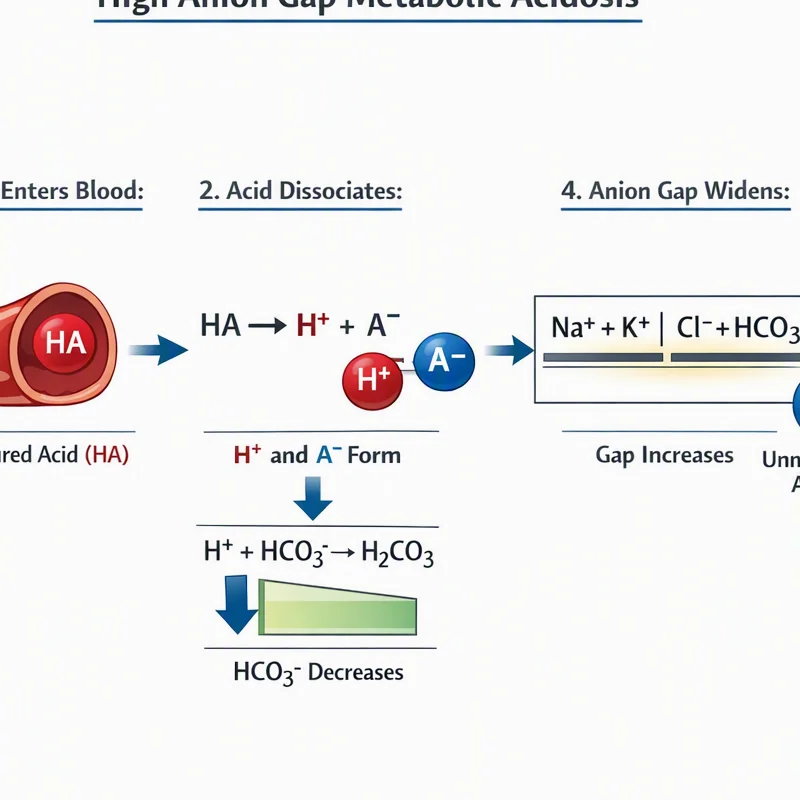
A standard anion gap often implies that the reduction in bicarbonate is being offset by a increase in chloride, which is typical of hyperchloremic acidosis. In contrast, elevated anion gap metabolic acidosis means extra unmeasured acids are present, increasing the difference between measured cations and anions.
Instances of conditions associated with a high gap include lactate acidosis and acidosis from ketones. In lactic acidosis, lactate builds up as an unmeasured acid. In ketoacidosis, ketone bodies add to the acid load. Both can lower bicarbonate while widening the gap, making the anion gap an valuable clue during result analysis.
When sodium has been corrected, the distinction between normal and high anion gap becomes more reliable. A falsely low sodium can make the gap appear narrower than it truly is, which may hide a significant acid-base disorder. Corrected sodium helps the calculation reflect the real physiologic condition rather than a distorted laboratory result.
That said, a “normal” value does not always rule out disease. A patient may still have an acid-base imbalance if albumin is low or if there is a mixed disorder. Likewise, a high result should be evaluated with clinical context and not used in isolation as proof of one specific diagnosis.
Common Reasons of an Abnormal Result
An altered anion gap following sodium adjustment can point toward several underlying conditions. Some of the main causes include renal failure, toxic alcohols, and salicylates. Each one can disrupt acid handling or produce unmeasured anions that widen the gap.
In renal failure, acid excretion is impaired and organic acids collect. This can create a raised anion gap metabolic acidosis that becomes more evident once sodium is corrected and the calculation is rechecked. The corrected value may refine the clinical picture by removing a misleading sodium artifact.
Toxic alcohols such as methanol or ethylene glycol are classic causes of elevated gap acidosis. They generate acid metabolites that are not directly measured by routine electrolytes. Because these cases can be time-sensitive, the anion gap is often used as an initial screening clue.
Salicylates can also produce complex acid-base changes. They may cause a mixed disorder, sometimes with respiratory alkalosis and metabolic acidosis occurring together. The anion gap may be elevated, but interpretation should include symptoms, exposure history, and other laboratory values.
Albumin deserves special attention because low albumin can mask a high gap. When albumin is reduced, the expected negative charge contribution falls, and the measured gap can look falsely reassuring. This is why albumin correction can be essential when evaluating an abnormal or borderline result.
Drawbacks of Corrected Sodium Calculations
Corrected sodium is useful, but it is not perfect. Measurement error can affect any value used in the calculation, and a poor input will produce a poor output. Even with a properly designed calculator, the final number still depends on the precision of the underlying measurement.
Another constraint is the reference range. Different laboratories may use slightly different ranges or measurement approaches, so what appears normal in one setting may not match another. This is one reason the anion gap should be interpreted in light of the local lab’s standards rather than assuming a universal cutoff.
Measurement limitations also count. Sodium correction formulas are approximations, not direct physiologic measurements. The corrected sodium is an adjusted value intended to aid interpretation, but it may not perfectly reflect every patient’s true state. The same is true for albumin correction, which is helpful but still approximate.
Finally, clinical context remains essential. A calculator cannot replace bedside assessment, trend review, or the broader clinical picture. A patient with symptoms of severe illness, altered mental status, or suspected toxin exposure may need urgent evaluation even if the calculated gap is only mildly abnormal. The calculator aids decision making; it does not make the decision by itself.
Frequently Asked Questions
How to calculate anion gap with corrected sodium?
Initially, determine the corrected sodium using the appropriate correction factor if the measured sodium is influenced by issues like hyperglycemia or pseudohyponatremia. After that apply the standard anion gap formula: sodium minus the sum of serum chloride and serum bicarbonate. In other words, the corrected sodium takes the place of the measured sodium in the calculation so the result more accurately shows the actual electrolyte balance.
When is it appropriate to albumin be included in the calculation?
Albumin should be included whenever it is low or when the clinical picture implies that the measured gap may underestimate an acid-base problem. Because albumin contributes significantly to the normal unmeasured anions in blood, albumin correction is especially important in hypoalbuminemia. If albumin is reduced, the anion gap may look normal even when a true metabolic acidosis is present.
What can a normal corrected anion gap mean?
A result in the normal range usually suggests that the main measured electrolytes are well balanced in a way consistent with typical acid-base balance. However, a normal corrected anion gap does not always exclude disease. Other electrolytes, the patient’s symptoms, and the rest of the blood chemistry still matter. A normal value is reassuring, but it should be interpreted alongside the full clinical context.
How do you use an anion gap calculator for corrected sodium?
Enter the measured sodium, chloride, and bicarbonate values into the anion gap calculator. If sodium needs adjustment, apply the corrected sodium first, then review the final calculation. The calculator functions as a systematic diagnostic tool that supports screening and interpretation of metabolic changes. It is most useful when the sodium value may be distorted and when you want a more accurate result analysis.
What makes sodium correction necessary before interpreting the anion gap?
Sodium correction matters because the measured sodium may not match the true physiologic state in conditions like hyperglycemia or pseudohyponatremia. If the sodium is inaccurate, the anion gap can be deceptive. Fixing sodium refines the calculation, can help avoid misclassification of metabolic acidosis, and makes the final interpretation more medically relevant.
What formula is used to calculate the corrected anion gap?
The usual formula is anion gap = corrected sodium − (serum chloride + serum bicarbonate). If albumin correction is needed, that adjustment is applied separately or alongside the basic calculation depending on the method used. The goal is to account for the most important unmeasured factors so the result closely reflects the actual acid-base state.
May low albumin change the anion gap result?
Yes. Low albumin can lower the apparent anion gap and hide a clinically important abnormality. This is why albumin correction is often recommended when hypoalbuminemia is present. Without that adjustment, a patient with high anion gap metabolic acidosis could be missed because the result appears closer to the reference range than it truly is.
What conditions can cause a high anion gap after sodium correction?
Common causes include lactic acidosis, ketoacidosis, renal failure, toxic alcohols, and salicylates. Once sodium is corrected, these causes may become more apparent because the adjusted result is less likely to be distorted by a misleading sodium measurement. The final interpretation should still consider the entire clinical picture, including symptoms and other laboratory values.